-
Best HWID Spoofer 2026 - Undetected Hardware ID Changer
-
Featured Products
-
ABCheats HWID Spoofer — Your Gateway Back Into Gaming
Locked out of your favorite game due to a hardware ban? ABCheats HWID Spoofer erases your digital footprint and generates a fresh system identity in seconds. Our kernel-level technology operates beneath the operating system, spoofing every trackable component before anti-cheat engines even initialize. Whether you need to recover from an existing ban or shield yourself proactively, our solution delivers consistent results across all major anti-cheat platforms.
- Deep kernel integration for complete hardware masking
- Automatic serial regeneration on every boot
- Zero performance impact during gameplay
- Native support for Windows 10/11 on Intel and AMD

The Science Behind Hardware Identification
Every computer contains dozens of unique fingerprints embedded within its components. Your motherboard carries a serial number etched during manufacturing. Your graphics card broadcasts vendor and device identifiers through PCI registers. Network adapters transmit MAC addresses with every packet. Storage drives store volume serials and partition GUIDs. Even your RAM modules contain SPD data that can be queried programmatically. Anti-cheat developers harvest all of this telemetry to construct what they call a hardware fingerprint, a composite identifier that persists even after you reinstall Windows, swap accounts, or change your IP address.
When enforcement systems detect prohibited activity, they record this fingerprint in a centralized blacklist. The next time any account attempts to authenticate from matching hardware, the connection is refused before you even reach the main menu. This architecture makes hardware bans extraordinarily difficult to circumvent through conventional means. You cannot simply purchase a new copy of the game or register a different email address. The ban follows your physical machine regardless of what software changes you make on top of it.
Why Traditional Ban Evasion Methods Fail
Years ago, gamers could dodge enforcement by resetting their routers or using VPN services. Those days are long gone. Modern anti-cheat platforms ignore network-layer identifiers almost entirely because they understand how trivial it is to rotate IP addresses. Instead, they focus on hardware telemetry that cannot be changed without opening your case and physically swapping components. Some systems even cross-reference multiple identifier classes simultaneously, requiring all values to mismatch before accepting a connection. This multi-point verification is precisely why off-the-shelf registry cleaners and MAC randomizers consistently fail against contemporary enforcement engines.
Kernel-Level Spoofing Explained
Operating systems organize privilege levels into rings, with ring-3 being standard user applications and ring-0 representing the kernel itself. Anti-cheat drivers operate at ring-0 specifically to access raw hardware data before user-space programs can intercept it. Effective spoofing must therefore occur at the same depth, intercepting hardware queries at the driver level and returning fabricated values before they reach monitoring code.
- Hooks WMI queries returning motherboard and BIOS serials
- Intercepts DeviceIoControl calls targeting disk firmware
- Patches SMBIOS tables in physical memory
- Randomizes PCI configuration space identifiers
- Generates cryptographically unique values per session
Our spoofer loads during the earliest stages of the boot sequence, establishing its hooks before Windows fully initializes its hardware abstraction layer. This timing advantage ensures that when anti-cheat components later query the system, they receive spoofed data from the very first call. There is no window during which real identifiers are exposed, eliminating the race condition vulnerabilities that plague less sophisticated solutions. The architecture also means you never need to manually configure which components to mask because every queryable identifier is automatically randomized according to realistic patterns that pass sanity checks.
Comprehensive Component Coverage
Partial spoofing is worse than no spoofing at all. If you mask your disk serial but leave your motherboard identifier exposed, enforcement systems will flag the inconsistency immediately. Competent anti-cheat engineers know exactly which identifier combinations legitimate hardware produces, and they watch for impossible configurations that suggest tampering. This is why our solution addresses every vector simultaneously rather than offering piecemeal coverage that sophisticated detection can easily defeat.
Motherboard and BIOS Identifiers
The SMBIOS specification defines standardized tables that report motherboard manufacturer, product name, serial number, and BIOS version. Anti-cheat platforms read these tables through documented Windows APIs that ultimately query data structures in physical memory. Our spoofer patches these structures before any user-mode process can access them, presenting a coherent alternate identity that appears to originate from a different vendor entirely. The replacement values follow realistic formatting conventions so they pass automated plausibility checks that look for obviously fake serials.
Storage Device Fingerprints
Hard drives and solid-state drives expose multiple identifier layers. At the filesystem level, each partition carries a GUID and volume serial number. Beneath that, the physical media reports firmware revision strings and manufacturer serials through ATA commands. Some anti-cheat systems even query SMART data for drive age metrics that could reveal continuity across apparent identity changes. Our spoofer addresses all of these layers, generating fresh partition GUIDs, randomizing volume serials, and intercepting low-level disk commands to return synthetic firmware responses.
Network and Peripheral Masking
Your Ethernet and WiFi adapters broadcast MAC addresses that manufacturers assign during production. While Windows allows software-based MAC changes, anti-cheat drivers can bypass this spoofing by reading the permanent address burned into adapter firmware. Our solution intercepts these queries at the NDIS layer, ensuring that even privileged kernel components see only the randomized values we provide.
- Randomizes both current and permanent MAC addresses
- Spoofs adapter description and driver strings
- Masks USB peripheral serial numbers
- Conceals monitor EDID identification data
Anti-Cheat Platform Compatibility
Different enforcement engines employ different collection methodologies, but they all ultimately depend on the same underlying Windows APIs and hardware query mechanisms. Our spoofer operates beneath all of these interfaces, which is why it maintains compatibility across the full spectrum of anti-cheat solutions rather than targeting any single platform. When vendors release updates to their detection routines, our development team analyzes the changes and adapts accordingly, typically pushing compatibility patches within hours of any new signature deployment.
BattlEye Protected Titles
BattlEye operates as a kernel-mode driver that scans memory and monitors system calls for suspicious activity. Its hardware fingerprinting module aggregates identifiers from WMI queries, direct hardware reads, and registry inspection. Because our spoofer establishes its hooks before BattlEye loads, the anti-cheat driver never sees your real identifiers. Games including PUBG, Rainbow Six Siege, Escape from Tarkov, DayZ, and ARK rely on BattlEye for enforcement.
Easy Anti-Cheat Coverage
Epic Games operates Easy Anti-Cheat across its own titles and licenses it to third-party developers. The system combines client-side integrity verification with server-side behavioral analysis. Hardware identification feeds into account trust scoring that influences matchmaking and ban decisions. Our spoofer ensures that EAC-protected games like Fortnite, Apex Legends, Rust, Dead by Daylight, and Hunt Showdown cannot link your sessions to any previously flagged hardware.
Vanguard and Ricochet Bypass
Riot Games developed Vanguard specifically for Valorant, designing it to run at kernel level from system boot. Activision's Ricochet protects Call of Duty titles using similar always-on driver architecture. Both platforms represent the cutting edge of anti-cheat technology, implementing tamper detection and hardware attestation features that defeat most consumer-grade spoofers. Our solution accounts for these advanced protections through proprietary evasion techniques that we continuously refine based on ongoing compatibility testing.
Verified Game Compatibility
Our testing infrastructure validates spoofer functionality against every major title before each release. We maintain active accounts across all supported games and run automated verification suites that confirm clean sessions with spoofed identifiers. If a game update breaks compatibility, our monitoring detects the issue immediately and triggers an expedited patch cycle.
- Call of Duty: Warzone, MW3, Black Ops 6
- Valorant, League of Legends
- Fortnite, Apex Legends
- Escape from Tarkov, Arena Breakout
- Rust, DayZ, SCUM
- Rainbow Six Siege, The Finals
- PUBG, Hunt Showdown
- Dead by Daylight, Dark and Darker
Operational Security Considerations
A spoofer only provides value if it remains undetected itself. Anti-cheat developers actively hunt for spoofing software through signature scanning, behavioral heuristics, and timing analysis. They look for driver loading patterns inconsistent with legitimate software, memory regions containing known spoofer code, and API call sequences that suggest identifier interception. Defeating these detection methods requires constant adaptation and a development philosophy that prioritizes stealth above all other considerations.
Our engineering team maintains strict operational security throughout the development lifecycle. We compile builds with polymorphic obfuscation that generates unique binaries for each release cycle. Network traffic between the loader and our infrastructure uses certificate pinning and protocol mimicry to avoid deep packet inspection. The spoofer itself leaves no persistent artifacts on disk between sessions, loading entirely into memory and cleaning up all traces on shutdown. These precautions ensure that forensic examination of your system reveals nothing to suggest spoofing activity.
Streamlined Deployment Process
Complex installation procedures introduce opportunities for user error that can compromise security or cause compatibility issues. We engineered our deployment pipeline to minimize friction while maintaining the layered protections that sophisticated users expect. The entire process from purchase to active spoofing typically completes in under five minutes with no technical expertise required.
- Complete checkout through secure payment portal
- Receive instant license delivery via email
- Download authenticated loader from member area
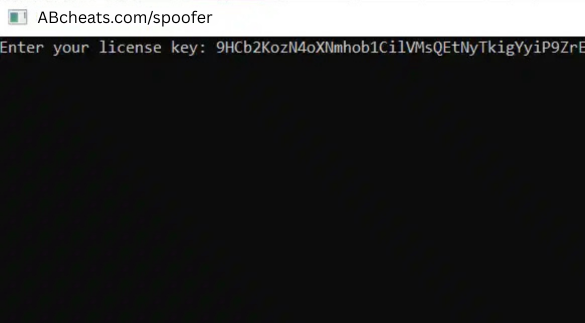
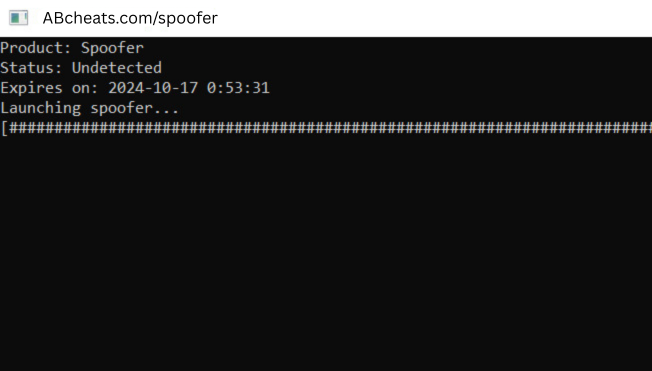
- Execute single-click activation sequence
- Reboot into fully spoofed environment
Proactive Protection Strategy
Many users discover HWID spoofing only after receiving a ban, but the optimal time to implement protection is before any enforcement action occurs. Running a spoofer from day one ensures that your real hardware identifiers are never transmitted to game servers in the first place. This approach provides meaningful advantages even if you never trigger a ban because it prevents telemetry aggregation that publishers use for delayed enforcement waves and cross-title blacklisting.
Consider the scenario where you purchase enhancement software that subsequently receives a detection signature. If you were running spoofed identifiers throughout your usage period, the ban targets phantom hardware that exists nowhere outside our randomization pool. Your actual machine remains clean regardless of how many accounts associated with your spoofed identity receive enforcement. This isolation layer transforms hardware bans from catastrophic events into minor inconveniences.
Integrated Trace Elimination
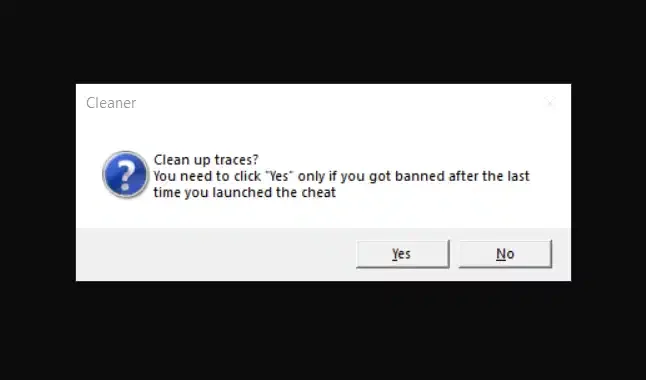
Hardware spoofing alone cannot account for filesystem artifacts that anti-cheat systems deposit during gameplay. These trace files contain session identifiers, authentication tokens, and behavioral snapshots that link future connections to past activity even if underlying hardware appears different. Our solution includes comprehensive trace cleaning that purges these artifacts before new sessions begin.
- Removes hidden anti-cheat registry entries
- Purges encrypted telemetry caches
- Clears browser fingerprinting data
- Deletes hardware attestation logs
- Sanitizes Windows event records
Technical Support Infrastructure
Even the most polished software occasionally encounters edge cases that require human intervention. Our support organization operates around the clock staffed by technicians who understand both the product architecture and the broader anti-cheat landscape. When you contact us with an issue, you connect with someone capable of diagnosing root causes rather than reading from a generic troubleshooting script. Average response times consistently fall under two minutes during peak hours.
Beyond reactive support, we maintain an extensive knowledge base documenting common configurations, known compatibility considerations, and optimization techniques. Video tutorials walk through setup procedures step by step for users who prefer visual guidance. Community forums provide spaces where experienced users share insights and help newcomers navigate their first deployments. This ecosystem ensures that regardless of your technical background, you have access to resources that enable successful spoofing.
Why ABCheats Leads the Market
The HWID spoofing space contains numerous providers making bold claims that collapse under scrutiny. What separates ABCheats from alternatives is our engineering investment, our operational track record, and our commitment to customer outcomes. We do not simply resell generic drivers with superficial branding. Every component of our stack receives continuous development from specialized talent with deep anti-cheat expertise.
- Dedicated R&D team analyzing anti-cheat updates daily
- Sub-24-hour patch deployment for compatibility issues
- Transparent status page showing real-time detection state
- No-questions refund policy for unresolved issues
- Multi-year operational history without major incidents
-
Frequently Asked Questions About HWID Spoofers
1What is an HWID Spoofer?
An HWID Spoofer is software that masks your computer's hardware identifiers to bypass hardware bans. It changes identifiers like MAC addresses, hard drive serial numbers, and motherboard IDs, making your system appear different to anti-cheat software. This allows banned players to access games again with a fresh account.
2What is HWID?
HWID stands for Hardware Identification, a unique identifier assigned to your computer's physical components. Game developers and anti-cheat systems use HWID to track and permanently ban players by flagging their specific hardware. Unlike IP or account bans, HWID bans persist even with new game purchases.
3Why Use an HWID Spoofer?
You need an HWID Spoofer because modern anti-cheat systems target your hardware directly. Simply buying a new game copy or changing your IP address won't bypass an HWID ban. A spoofer masks your computer's identity at the system level, making it appear as a completely different PC.
4Which Games Support HWID Spoofers?
HWID Spoofers work with games using BattleEye and Easy Anti-Cheat, including Apex Legends, Fortnite, Warzone, Valorant, Rust, Escape from Tarkov, Rainbow Six Siege, and DayZ. Most competitive shooters that implement hardware bans can be bypassed with a properly configured spoofer.
5How Does an HWID Spoofer Work?
An HWID Spoofer operates at the kernel level (ring 0) to intercept hardware identification requests. It creates temporary virtual hardware IDs that replace your real identifiers before anti-cheat systems can read them. Your actual hardware remains unchanged while the spoofer actively masks your system's identity.
6Are HWID Spoofers Safe to Use?
Quality HWID Spoofers are designed with bypass methods that avoid detection when updated regularly. They operate at the kernel level with sophisticated masking techniques to stay undetected. However, effectiveness depends on choosing a reputable spoofer that receives frequent updates after game patches.
7Can I Get Unbanned with an HWID Spoofer?
Yes, an HWID Spoofer bypasses hardware bans by masking your flagged hardware identifiers. When combined with a new game account, the spoofer makes you appear as a completely new user to anti-cheat systems. This allows you to return to previously banned games immediately.
8How Do I Use an HWID Spoofer?
Run the HWID Spoofer as administrator before launching your game. Select your target anti-cheat system, click the spoof button to generate new hardware IDs, then restart your PC. After rebooting, your hardware will appear different to game servers and you can launch normally.
9Do I Need Different Spoofers for Each Game?
No, a single universal HWID Spoofer works across multiple games and anti-cheat systems. Since spoofers modify your hardware at the system level, they're effective against BattleEye, Easy Anti-Cheat, Vanguard, and Ricochet. One spoofer provides unlimited game compatibility.
10How Often Should I Spoof My HWID?
Spoof your HWID before each gaming session if actively using cheats or after being banned. For ban evasion without additional cheats, spoofing once can work long-term. Always re-spoof after major game updates or anti-cheat patches to maintain protection.